
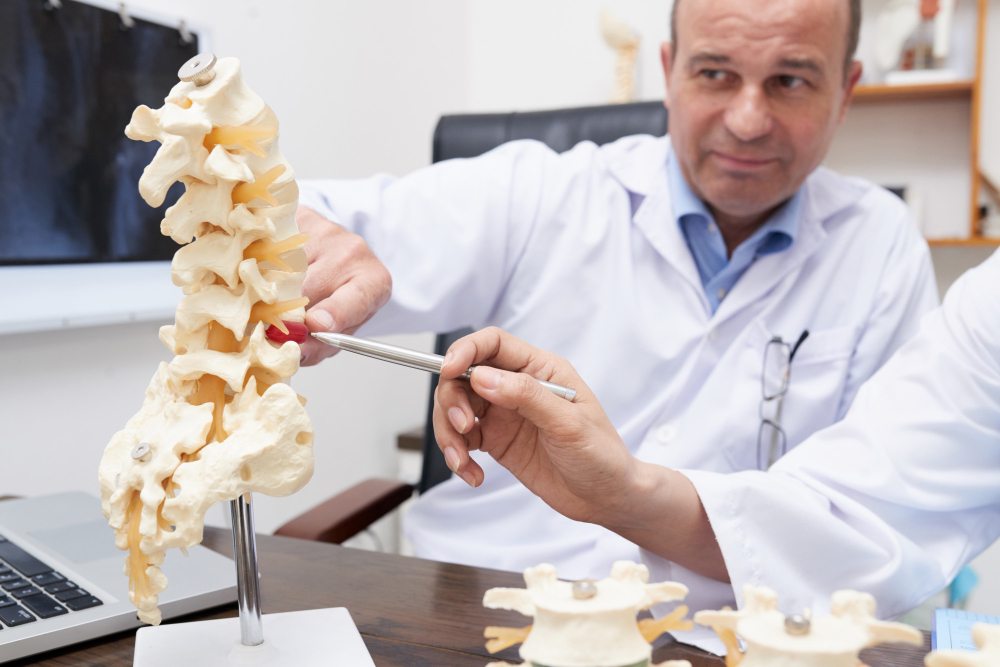
What Are Spinal Disorders?
Spinal disorders are conditions that affect the spine. The spine is a strong column of bones in your back. It helps you stand, move, and protect your nerves. Many people experience back pain at some point. However, some spinal conditions can cause more serious problems. These may include herniated discs, scoliosis, or spinal stenosis. Each disorder can affect your daily life in different ways. Early care can help prevent lasting damage. According to the World Health Organization, back pain is a leading cause of disability worldwide.
Common Symptoms of Spinal Disorders
Spinal disorder symptoms can vary. Some people have mild discomfort, while others feel severe pain. Recognizing these signs early can help you get the right care. For example, you may notice:
Sometimes, symptoms can appear suddenly. Other times, they develop slowly. If you notice any of these signs, it is wise to seek medical advice.
Causes and Risk Factors
Many things can cause spinal disorders. Some are due to injury, while others develop over time. For instance, common causes include:
Additionally, certain risk factors increase your chances of developing a spinal condition. These include:
Because some causes are preventable, healthy habits can lower your risk.
How Spinal Disorders Are Diagnosed
Doctors use several steps to diagnose spinal disorders. First, they ask about your symptoms and medical history. Next, they perform a physical exam. Often, they check your movement, strength, and reflexes. If needed, your doctor may order tests such as:
With these tools, doctors can find the cause of your back pain. Early diagnosis helps guide the best treatment plan.
Treatment Options for Spinal Disorders
Treatment for spinal disorders depends on the cause and severity. In many cases, doctors start with simple steps. For example, you may benefit from:
However, some people need more advanced care. For severe cases, options may include:
In addition, many hospitals and clinics offer orthopedic care for spinal conditions. If you live in a large city, you may find specialized spine centers nearby. Always follow your doctor’s advice for the best results.
Lifestyle Tips for Spine Health
Good habits can protect your spine and lower your risk of spinal disorders. For instance, you can:
Moreover, staying active helps keep your back strong. Even small changes can make a big difference over time.
Preventing Spinal Disorders
Although not all spinal disorders can be prevented, you can lower your risk. For example, you should:
By following these tips, you support your spine health and reduce the chance of future problems.
In summary, spinal disorders can affect anyone. Early care and healthy habits are key. Consult an orthopedic specialist for personalized advice about spinal disorders.