
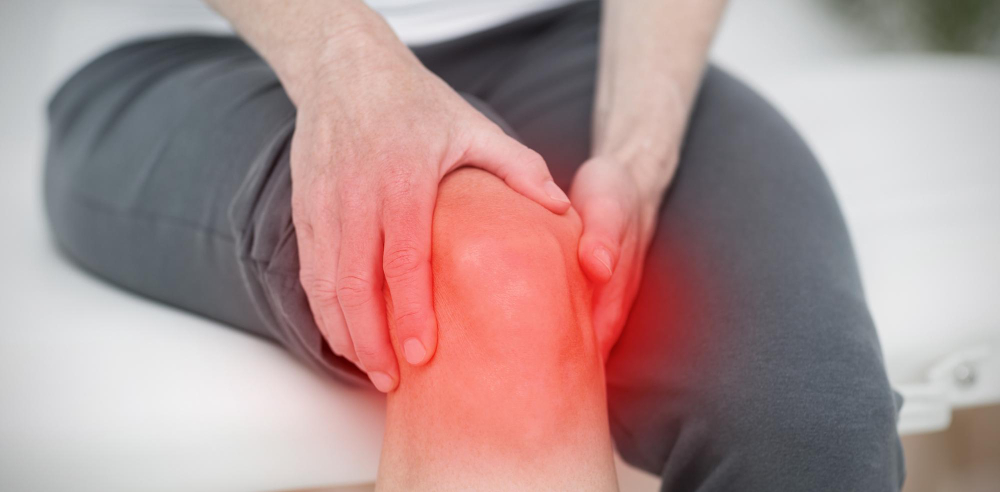
What is Knee Joint Pain?
Knee joint pain is a common problem that affects people of all ages. Often, it can make walking, climbing stairs, or even standing difficult. Because the knee is a large and complex joint, it is more likely to get injured or develop pain over time. For many, knee joint pain can start suddenly or build up slowly. Sometimes, it may last only a short time. Other times, it can become a long-term issue. Understanding knee joint pain helps you take steps to manage it better.
Common Causes of Knee Joint Pain
There are many reasons why your knee might hurt. Some causes are due to injuries, while others are linked to health conditions. Knowing the cause can help you find the right treatment. Here are some common causes:
Because many things can cause knee joint pain, it is important to pay attention to your symptoms.
Recognizing Symptoms
Knee joint pain can feel different for each person. However, some symptoms are common. For instance, you may notice:
Sometimes, symptoms appear after an injury. Other times, they develop slowly. If you notice severe pain, sudden swelling, or cannot move your knee, seek medical help right away.
How Knee Joint Pain is Diagnosed
Doctors use several steps to find out what is causing your knee joint pain. First, they will ask about your symptoms and medical history. Next, they will examine your knee. They may check for swelling, tenderness, or how well you can move your knee. In some cases, doctors use tests to get more information. These may include:
With these steps, your doctor can find the cause and suggest the best treatment.
Treatment Options for Knee Joint Pain
Treatment depends on the cause and how severe the pain is. Many people find relief with simple steps. However, some may need more advanced care. Common treatment options include:
Because each person is different, your doctor will help choose the best treatment for you.
Lifestyle Tips and Prevention
While not all knee joint pain can be prevented, some steps can lower your risk. For example, you can:
By following these tips, you can help keep your knees healthy and strong.
If you experience persistent knee joint pain, consult an orthopedic specialist for personalized advice. Early care can help prevent further problems and improve your quality of life.